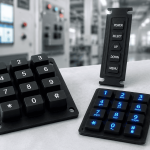
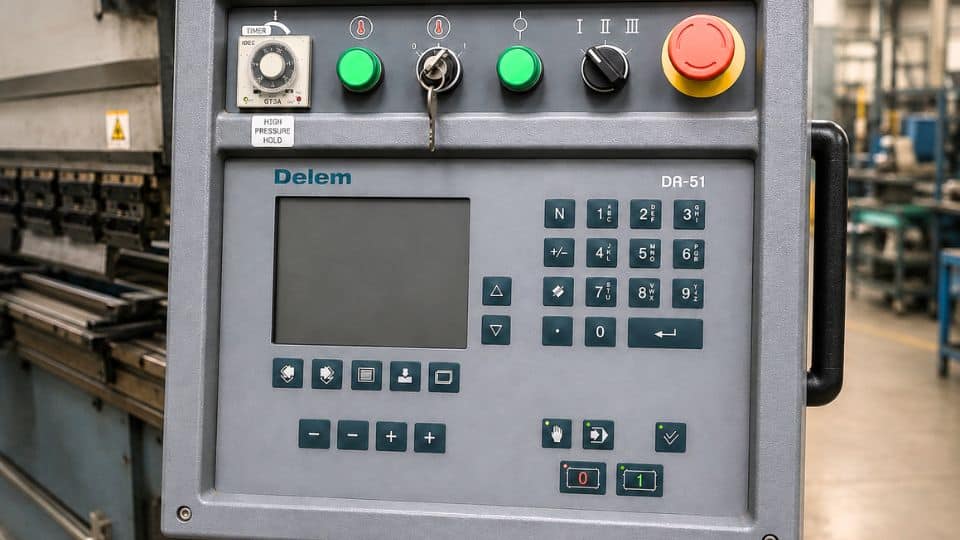
A CNC Service Keyboard plays an important role in industrial machine control systems where operators continuously interact with CNC controllers, machine parameters, diagnostics menus, and production interfaces. In CNC machining environments, operators repeatedly execute commands during machine setup, program execution, parameter adjustment, and controller navigation. Therefore, the keyboard becomes an important part of the operational workflow inside industrial production systems.
Unlike standard office keyboards, a CNC Keyboard is designed specifically for machine-level interaction. The layout structure, function key organization, numeric sections, and navigation architecture support fast and repetitive operator input across industrial machine environments. As a result, CNC service keyboards are widely integrated into CNC control panels, industrial HMI systems, and automation machine interfaces.
CNC Keyboard for Continuous Machine Operation
Industrial production systems depend on continuous operator interaction throughout the machining cycle. During machine operation, operators frequently access:
- Program execution controls
- Parameter adjustment menus
- Controller navigation systems
- Diagnostics interfaces
- Machine setup functions
- Operational command sections
Therefore, a Machine Control Keyboard must support fast and structured command accessibility. In many industrial systems, operators continuously move between machine functions during production activities. Consequently, keyboard accessibility directly affects machine interaction efficiency.
Additionally, industrial operators often work under repetitive operational conditions. Because of this, CNC keyboards are designed around frequent command entry and controller-level interaction rather than general typing applications.
CNC Keyboard Layouts for CNC Controllers
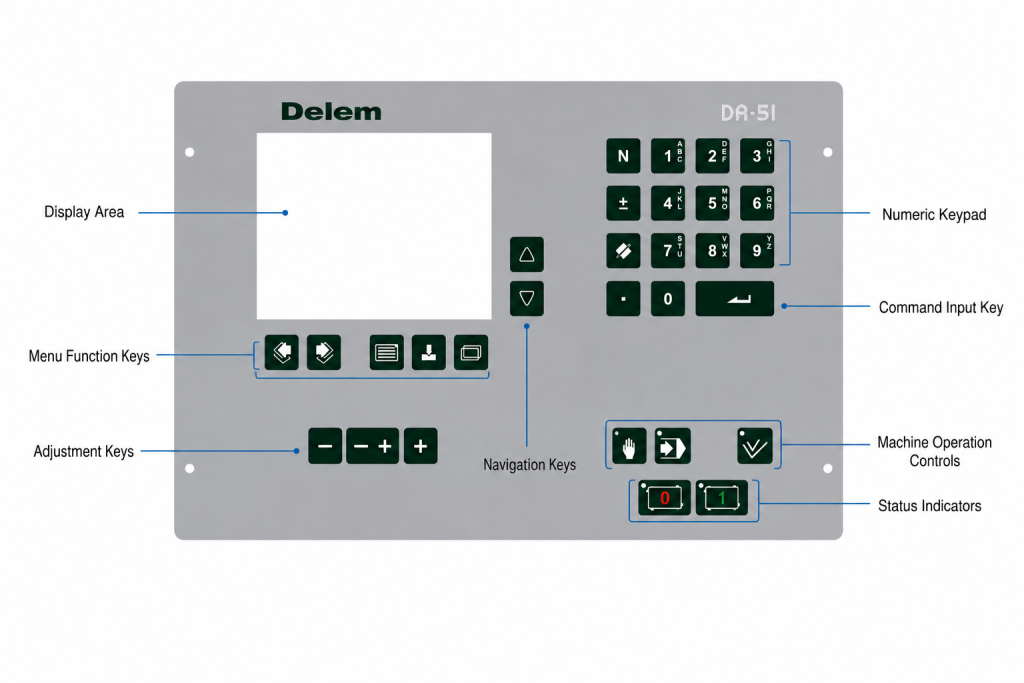
A CNC Controller Keyboard uses a structured layout that supports direct interaction with industrial machine controllers. Unlike conventional keyboards, CNC keyboard layouts are developed around machine operational logic and controller architecture.
Most CNC Control Panel Keyboard systems include:
- Dedicated function key zones
- Numeric input sections
- Navigation control areas
- Controller-specific operational keys
- Machine parameter access buttons
- Shortcut command layouts
As a result, operators can quickly access machine functions without unnecessary interface complexity. Furthermore, structured layouts help reduce interruption during machine setup and controller navigation.
In industrial machine environments, even small improvements in command accessibility can support smoother operational workflow. Therefore, keyboard architecture remains important within CNC machine control systems.
Industrial Keyboard Integration in CNC Control Panels
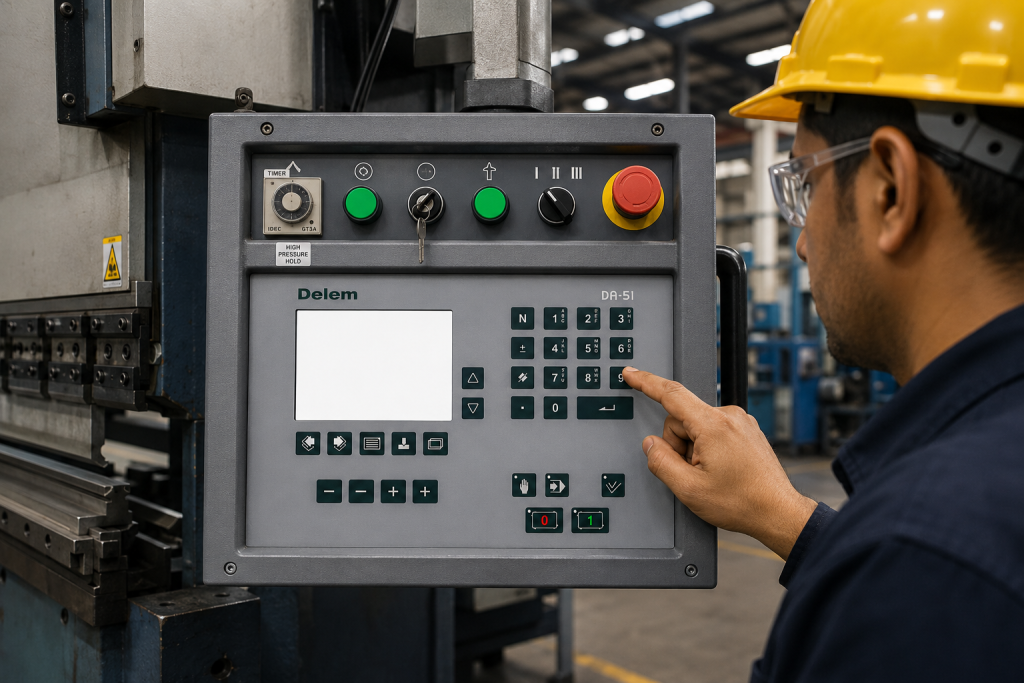
An Industrial Keyboard functions as a direct operator interface inside CNC control environments. These keyboards are integrated into machine systems where operators continuously interact with production controls and operational parameters.
Common applications include:
- CNC machining centers
- Press brake systems
- Industrial automation equipment
- HMI machine interfaces
- Laser cutting systems
- Production control panels
In these environments, the keyboard supports repetitive operational interaction throughout the production cycle. Additionally, industrial operators require reliable command accessibility during machine diagnostics and parameter adjustment activities.
Because industrial manufacturing systems often operate continuously, stable operator interfaces become essential for daily production workflow.
CNC Keyboard in Industrial HMI Systems
An Industrial HMI Keyboard supports machine interaction through Human Machine Interface panels used in industrial automation systems. These HMI environments allow operators to monitor machine activity, access controller data, adjust production settings, and manage operational functions.
Therefore, the keyboard must support:
- Fast parameter input
- Operational navigation
- Machine diagnostics access
- Production configuration
- Controller communication
In many CNC systems, operators interact with HMI panels throughout the production process. Consequently, repetitive command entry becomes part of daily machine operation.
Additionally, HMI-based machine systems often require controller-specific layouts for faster operational access. Because of this, CNC machine control interface keyboards are frequently customized according to industrial application requirements.
Why CNC Keyboard Structure Matters
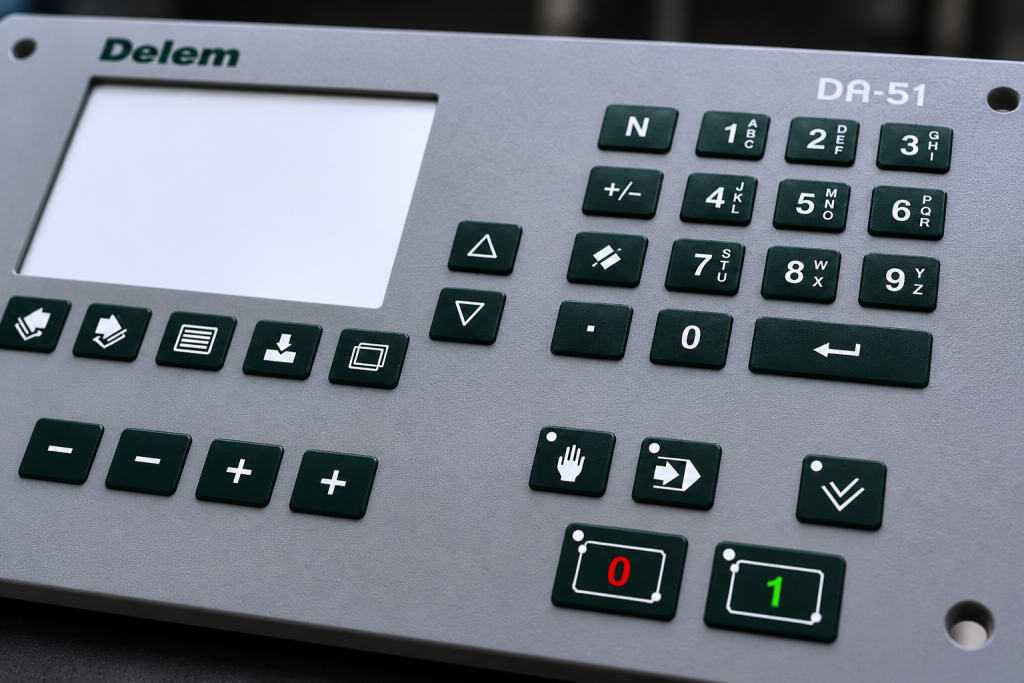
A CNC Service Keyboard is not designed for general computer usage. Instead, it is structured around machine-level command interaction within industrial production systems.
Operators frequently perform repetitive actions such as:
- Tool offset adjustment
- Parameter editing
- Axis control navigation
- Program loading
- Diagnostics access
- Controller configuration
Therefore, keyboard structure directly influences operational accessibility.
For example, dedicated function zones allow faster command execution. Similarly, organized numeric sections improve parameter entry efficiency. In addition, controller-specific layouts support smoother machine interaction during production activities.
As industrial production becomes more process-driven, operators increasingly depend on structured machine interfaces for daily workflow management.
CNC Keyboard Applications in Industrial Manufacturing
A CNC Keyboard is widely used across industrial manufacturing systems where operators require direct controller interaction. These keyboards support machine communication throughout production operations and machine setup activities.
Industries commonly using CNC keyboards include:
- Metal fabrication
- CNC machining
- Industrial automation
- Precision manufacturing
- Process control systems
- Machine tool industries
Furthermore, CNC controller environments often require repetitive operational navigation throughout daily production cycles. Because of this, industrial machine operators rely on dedicated machine control interfaces rather than standard keyboard systems.
Additionally, industrial control environments require operator interfaces that support continuous interaction under repetitive usage conditions.
CNC Keyboard for Machine-Level Interaction
Machine-level interaction requires structured command accessibility. Therefore, a CNC Keyboard is organized around operational efficiency inside industrial machine environments.
Operators often move quickly between:
- Operational commands
- Diagnostics menus
- Machine setup sections
- Numerical parameters
- Navigation controls
- Controller functions
Consequently, keyboard organization becomes important for workflow continuity.
Furthermore, industrial machine environments require repetitive controller interaction during long operational cycles. Because of this, machine control keyboards continue functioning as dedicated industrial operator interfaces within modern manufacturing systems.
Industrial Keyboard Design for CNC Applications
Industrial keyboard design differs significantly from office-oriented keyboard architecture. A CNC Control Panel Keyboard focuses on machine accessibility rather than traditional typing usage.
The design structure may include:
- Controller-oriented layouts
- Industrial legends and symbols
- Dedicated operational sections
- Function grouping architecture
- Shortcut command integration
As a result, operators can interact more efficiently with industrial machine systems.
Additionally, different CNC machines use different controller logic. Therefore, many industrial keyboards are customized according to machine application requirements and operational workflow structure.
CNC Keyboard in Modern Industrial Systems
Modern manufacturing systems continue evolving through automation and digital control technologies. However, industrial operators still require reliable machine interaction throughout production activities.
A CNC Service Keyboard continues supporting:
- Controller-level communication
- Production parameter access
- Operational navigation
- Machine setup activities
- Diagnostics interaction
- Industrial HMI operation
Therefore, these keyboards remain important within industrial machine control architecture.
As industrial systems become increasingly integrated, machine control interfaces continue depending on structured operator interaction for efficient production management.
Conclusion
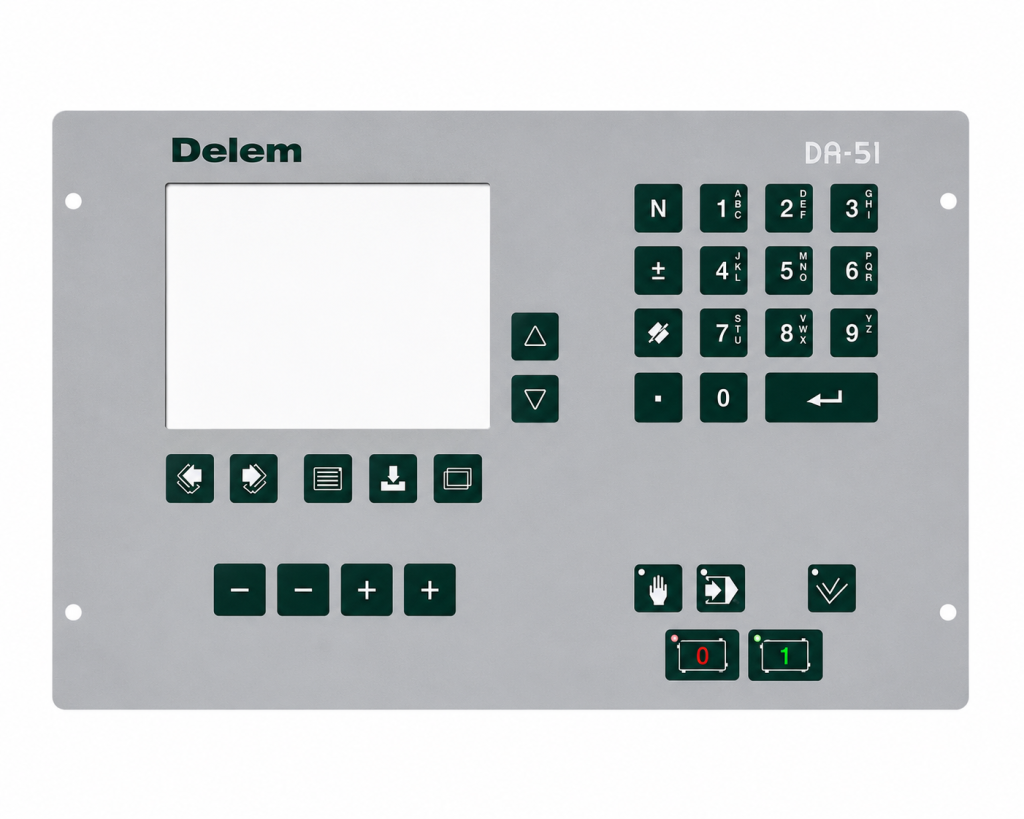
A CNC Service Keyboard functions as a dedicated operator interface within industrial machine control systems. Unlike conventional keyboards, these systems are designed specifically for repetitive machine interaction, controller navigation, parameter adjustment, and operational command accessibility.
Integrated across CNC control panels, industrial HMI systems, and automation machine interfaces, CNC keyboards support continuous production workflow throughout industrial manufacturing environments.
Additionally, structured keyboard architecture improves machine interaction efficiency by supporting direct controller communication and organized operational access. Therefore, CNC keyboards continue playing an important role within modern industrial machine control systems.