
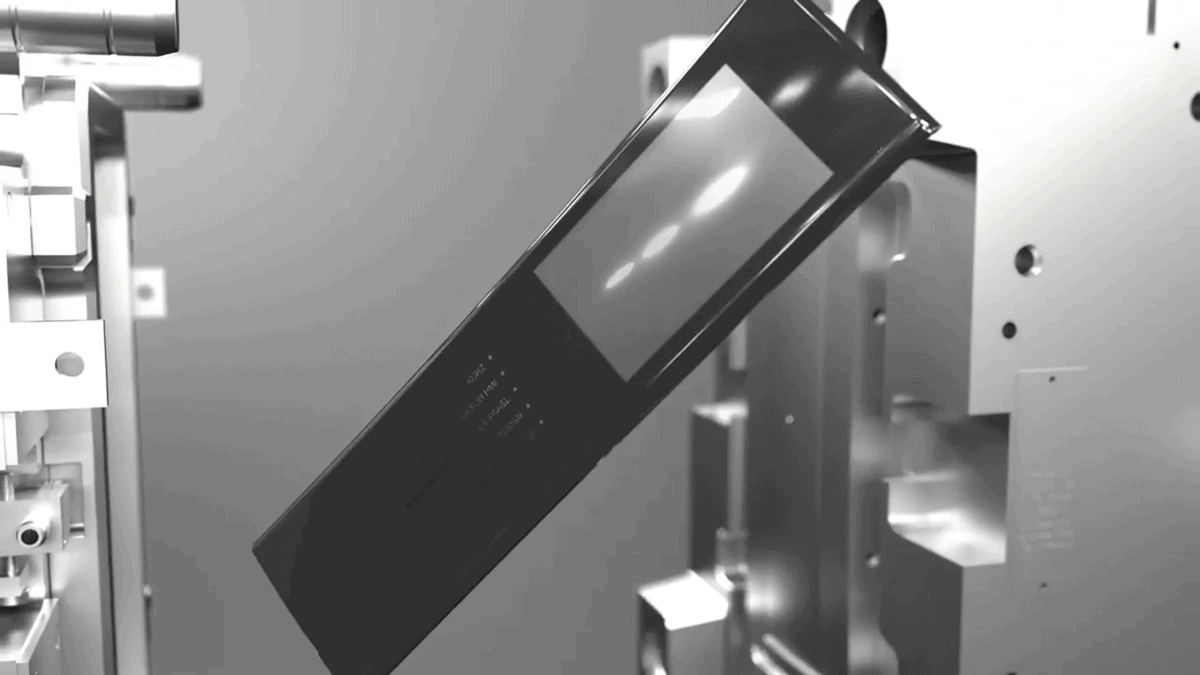
n modern manufacturing, both appearance and durability are crucial. Moreover, companies want products that look premium and last long. One of the best ways to achieve this is through injection molding decoration. This method integrates surface design directly into molded plastic parts. As a result, it provides many advantages over traditional post-molding decoration techniques.
At Linepro, we use advanced in-mold decoration (IMD) technology to deliver parts that combine quality, longevity, and design flexibility.
What is Injection Molding Decoration?
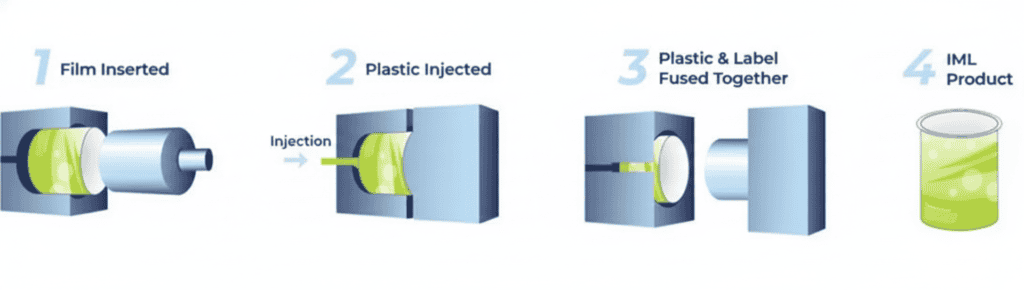
Injection molding decoration improves the look and performance of plastic parts. Traditional methods, such as painting, pad printing, or hot stamping, happen after molding. However, these methods often require extra steps, increase costs, and may cause inconsistent quality.
In contrast, IMD integrates decoration into the molding process itself. Manufacturers place pre-printed films or inserts inside the mold. When molten plastic is injected, the film bonds with the plastic. Therefore, the finished part has a decorated surface that is both durable and visually appealing.
The Rise of In-Mold Decoration
In-mold decoration first appeared in consumer electronics and automotive interiors. Today, it is widely used in medical devices, home appliances, and industrial equipment.
In addition, advanced techniques like in-mold forming (IMF) and overmolding allow multi-layer designs, complex textures, and ergonomic surfaces. Consequently, manufacturers can produce parts that meet both functional and aesthetic requirements.
Key Advantages of Injection Molding Decoration Using IMD
1. Long-Lasting Surfaces with Wear Resistance
IMD surfaces resist scratches and scuffs. Using PMMA film or protective layers, the decoration remains intact even with heavy use.
For example, control panels, mobile devices, and automotive dashboards benefit from abrasion resistance. As a result, products maintain their premium appearance longer.
2. Strong UV and Chemical Protection
Many IMD films are UV-resistant, preventing fading when exposed to sunlight. Moreover, chemical-resistant layers protect surfaces from oils, detergents, and other liquids.
Therefore, injection molding decoration is ideal for outdoor equipment, automotive interiors, and industrial devices.
3. Custom Textures for Improved Grip
IMD allows textured surface films, which improve grip, reduce glare, and hide fingerprints. Unlike post-mold treatments, these textures are embedded in the plastic. As a result, they remain durable and uniform throughout the product life.
For instance, medical devices and industrial controls benefit from ergonomic textures that provide both comfort and professional appeal.
4. Complex Designs Made Easy
IMD enables multi-color graphics, metallic finishes, gradients, and even 3D effects. In contrast, traditional decoration may require multiple steps, increasing production time and costs.
Thus, IMD offers a cost-effective decoration solution while maintaining high quality. Moreover, it reduces errors and ensures consistency in every part.
5. Integration with Overmolding and IMF
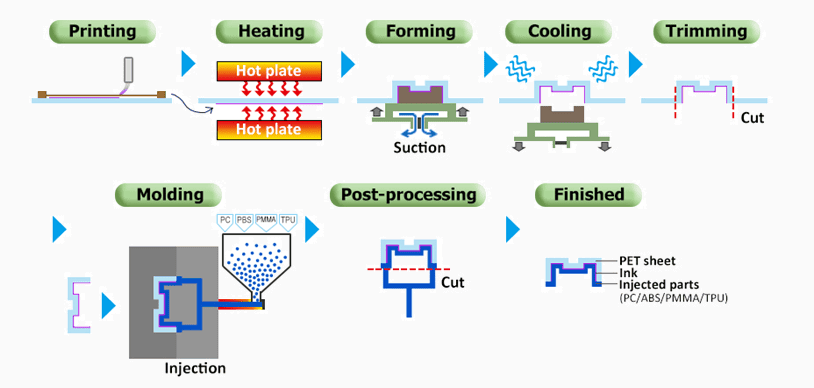
IMD works well with overmolding and in-mold forming (IMF). Overmolding allows combining soft-touch grips with hard plastic surfaces. IMF shapes and decorates parts in a single step.
As a result, assembly steps are minimized, costs are lowered, and product strength is improved. Consequently, IMD is ideal for high-performance consumer electronics and automotive parts.
6. Time and Cost Savings
IMD combines decoration and molding, reducing production time. Moreover, manufacturers save on labor, printing materials, and quality inspections.
Therefore, high-volume production becomes faster and more economical. In addition, the risk of errors decreases, ensuring each part meets design specifications.
7. Environmentally Friendly Process
IMD is an eco-friendly alternative to traditional decoration methods. It reduces energy consumption, minimizes waste, and avoids paints containing harmful chemicals.
Thus, manufacturers can achieve sustainability goals while producing high-quality, visually appealing parts.
Common Applications of In-Mold Decoration
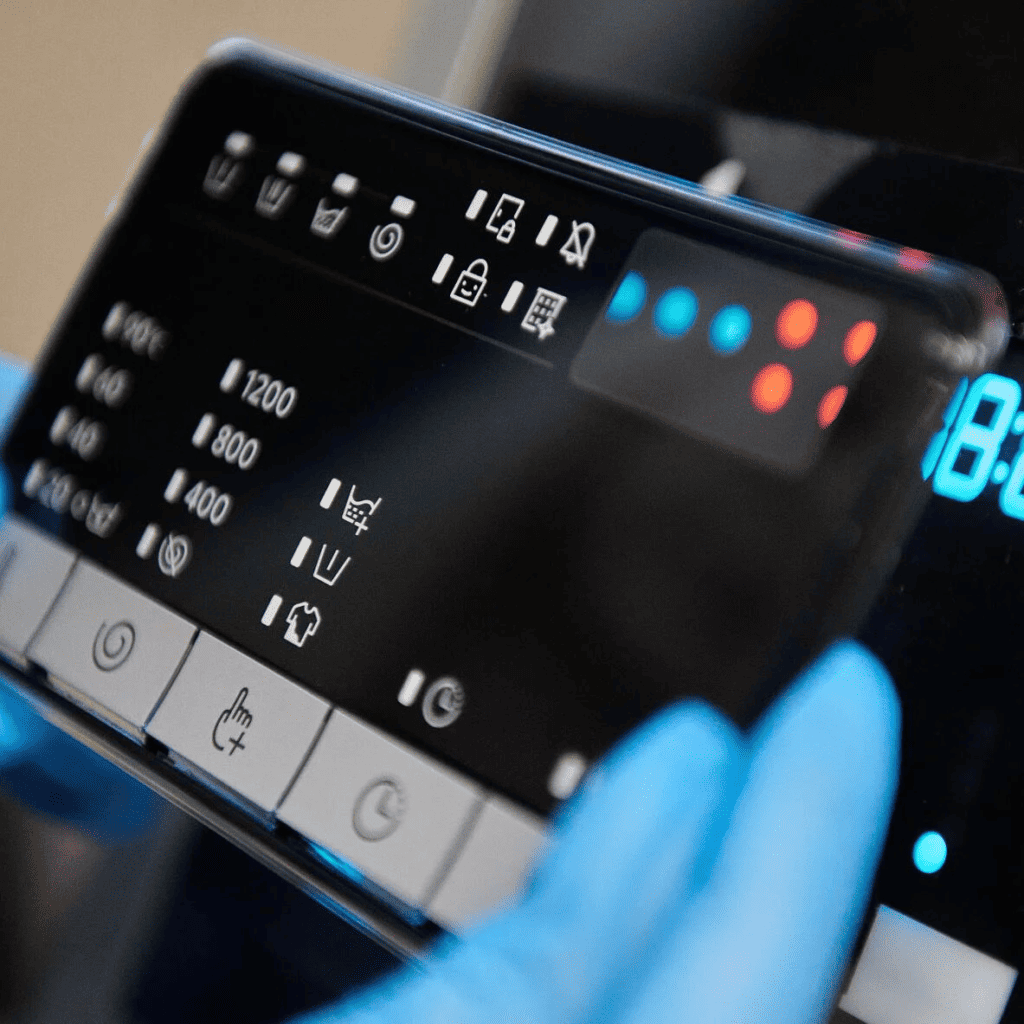
Injection molding decoration is widely used across industries:
- Consumer Electronics: Smartphones, tablets, and remote controls with scratch-resistant, UV-stable surfaces.
- Automotive Interiors: Dashboard panels, buttons, and trims with multi-color finishes and textured surfaces.
- Medical Devices: Durable, easy-to-clean surfaces for safety and hygiene.
- Home Appliances: Control panels, knobs, and handles with long-lasting finishes.
- Industrial Equipment: Panels and interfaces protected from wear and chemical exposure.
In addition, using PMMA film, textured surface film, and UV-resistant film ensures functional and aesthetic excellence.
Choosing the Right Film
Selecting the correct film is essential for successful injection molding decoration:
- PMMA Films: Clear, scratch-resistant, and UV-stable.
- Textured Surface Films: Enhance grip and hide minor flaws.
- UV-Resistant Films: Prevent fading and material degradation.
Consequently, the right combination of films ensures parts remain attractive and durable.
Conclusion
In-mold decoration (IMD) delivers unmatched benefits for manufacturers. It improves wear resistance, UV protection, and design flexibility. It enables textured surfaces, complex graphics, and cost-effective decoration.
At Linepro, we use IMD, overmolding, and IMF to produce high-quality, durable, and visually appealing parts. Therefore, for industries that require both aesthetics and performance, IMD is the future of injection molding decoration.
